In a world where protein often feels like the “holy grail” of nutrition, we usually find ourselves looking toward the butcher’s counter or the dairy aisle to hit our daily targets. Whether you are a dedicated athlete, someone working on weight management, or simply looking to support your body’s cellular repair, the focus is almost always on chicken, eggs, lentils, and Greek yogurt.
However, many people overlook a subtle but effective way to boost their intake: the produce aisle. While fruit isn’t a primary protein source in the same way a steak is, certain varieties offer a surprising “protein punch” alongside essential fibers, vitamins, and antioxidants.
Here is a deep dive into the most protein-packed fruits and how they can help round out your nutritional profile.
1. Passion Fruit: The Fiber & Protein Powerhouse
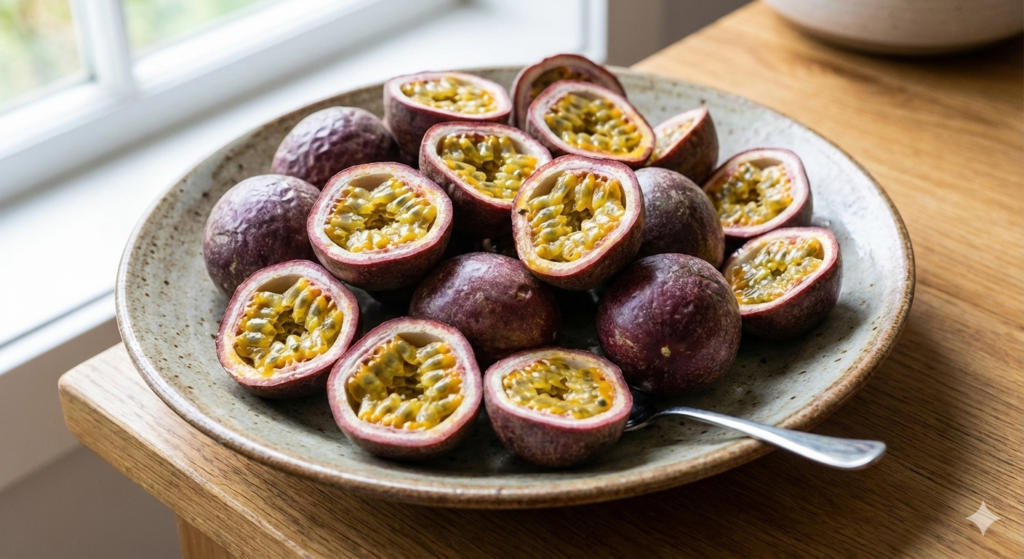
Arguably the leader of the pack by volume, passion fruit is a tropical gem that offers roughly 5 grams of protein per cup.
What makes passion fruit unique is its seeds. Because the seeds are edible and crunchy, you are consuming the “whole” nutritional package rather than just the juice.
- The Bonus:It is an incredible source of fiber, providing about 25 grams per cup—nearly your entire daily recommended intake.
- How to eat it:Scoop the pulp directly into your morning yogurt or blend it into a smoothie. Just keep in mind that since the fruits are small, it takes several to fill a cup.
2. Guava: The Tropical Heavyweight
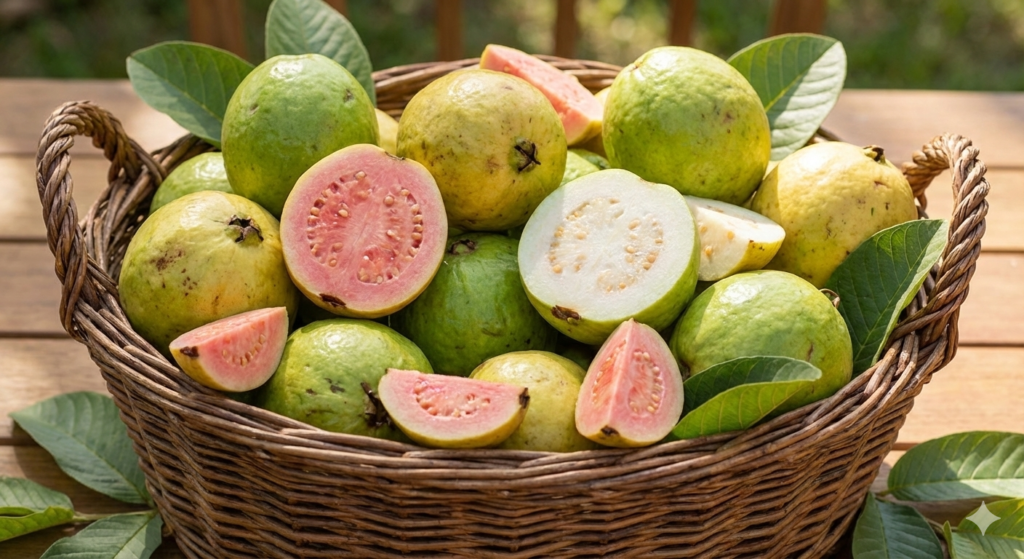
If you are looking for the most protein-dense fruit commonly available, guava is your best bet. A single cup of guava contains approximately 4.2 grams of protein.
Guava is frequently cited as a “superfruit” because its benefits extend far beyond protein:
- Vitamin C:It contains significantly more Vitamin C than an orange, which is vital for immune function and collagen production.
- Antioxidants:Rich in lycopene and other antioxidants, it is currently being studied for its potential anticancer properties.
- Pro-Tip:Eat the skin! The rind is where many of the nutrients live. Simply wash it, slice it, and enjoy the sweet, floral flavor.
3. Avocado: The Satiety Specialist
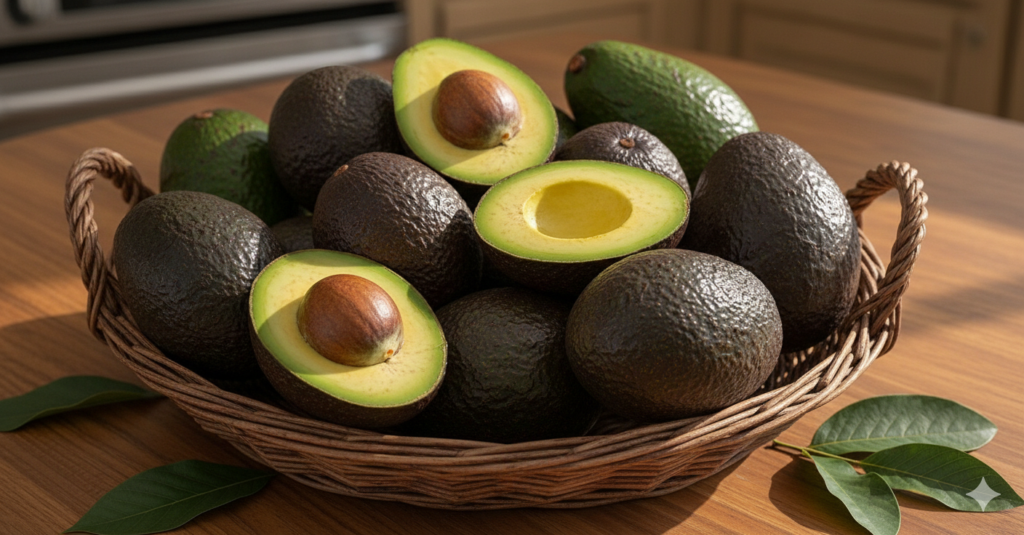
While famously celebrated for its “healthy fats,” the avocado is a secret weapon for protein seekers. One medium avocado provides about 4 grams of protein.
The magic of the avocado lies in the combination of monounsaturated fats, fiber, and protein. This trio works together to slow digestion and keep you feeling full for longer, making it a “functional fruit” rather than just a snack.
- Nutrient Profile:High in potassium (more than a banana!) and Vitamin E.
- Best Use:Use it as a creamy base for dressings or spread it on whole-grain toast to complement the protein found in the bread.
4. Jackfruit: The Savory Substitute
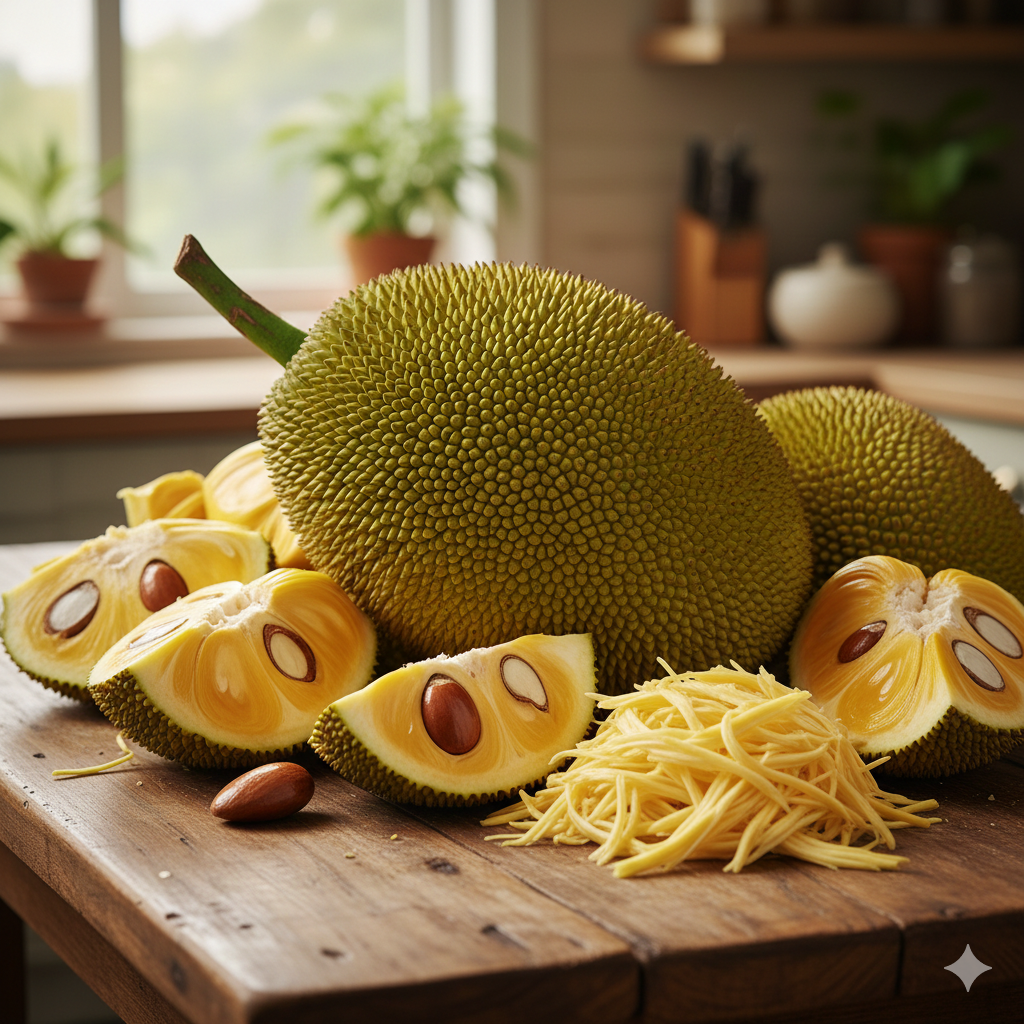
Jackfruit has gained massive popularity in the vegan and vegetarian community, not just for its protein, but for its uncanny texture. When shredded, it mimics pulled pork or chicken. A cup of jackfruit offers about 2.8 grams of protein.
While it isn’t quite a “one-to-one” replacement for the protein density of meat, it is a significant step up from other starchy vegetables or fruits.
- Why it works:It absorbs flavors beautifully, making it the perfect vessel for BBQ sauces or taco seasonings.
- Nutrient Profile:It is rich in Vitamin B6, which is essential for protein metabolism itself.
5. Blackberries: The Antioxidant All-Star
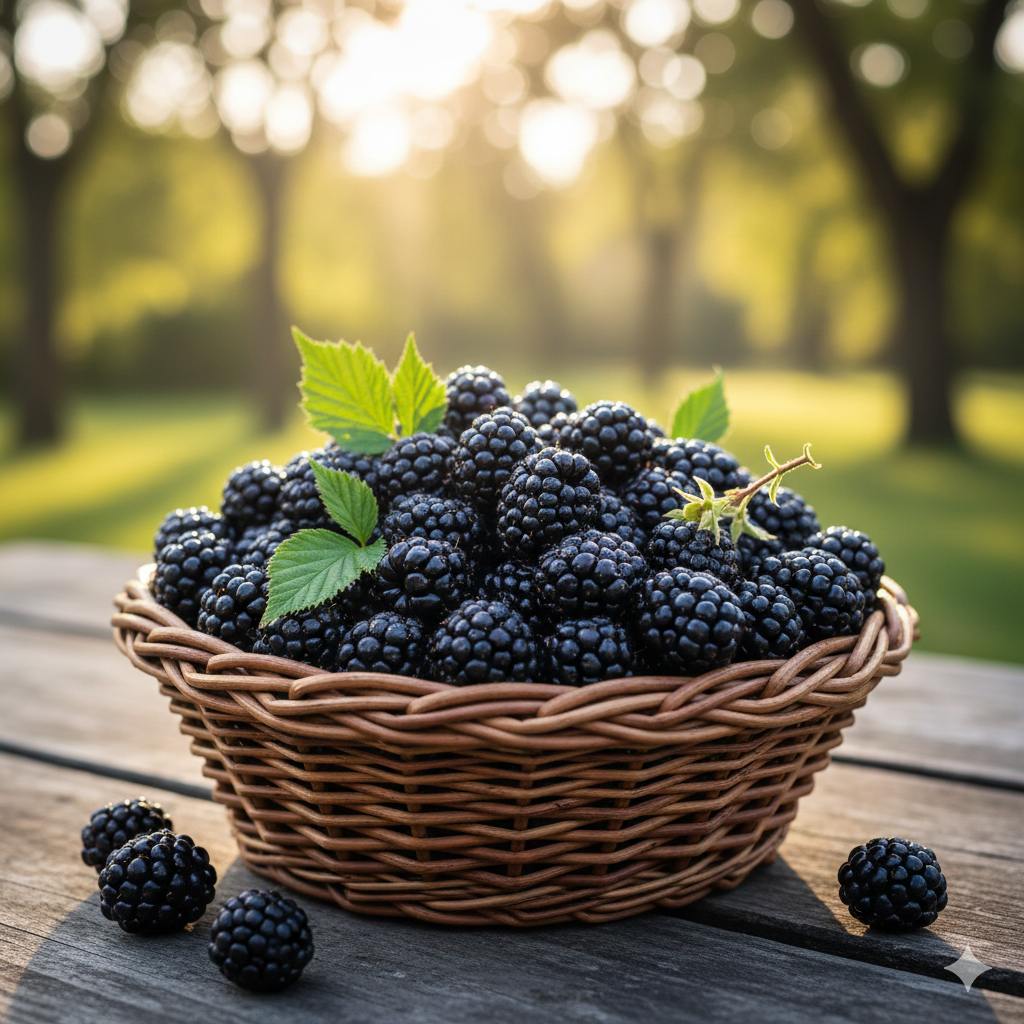
Most berries contain a trace of protein, but blackberries lead the category with about 2 grams per cup.
The deep purple hue of blackberries comes from anthocyanins, powerful antioxidants that help combat oxidative stress and inflammation.
- Blood Sugar Management:Thanks to their high fiber content (about 8 grams per cup), blackberries have a low glycemic index. This means the protein and fiber work together to prevent the “sugar spike” often associated with eating fruit.
- Serving Suggestion:They are the perfect “topping” protein. Toss them over cottage cheese or oatmeal for a layered protein boost.
6. Kiwi: The Digestion Catalyst
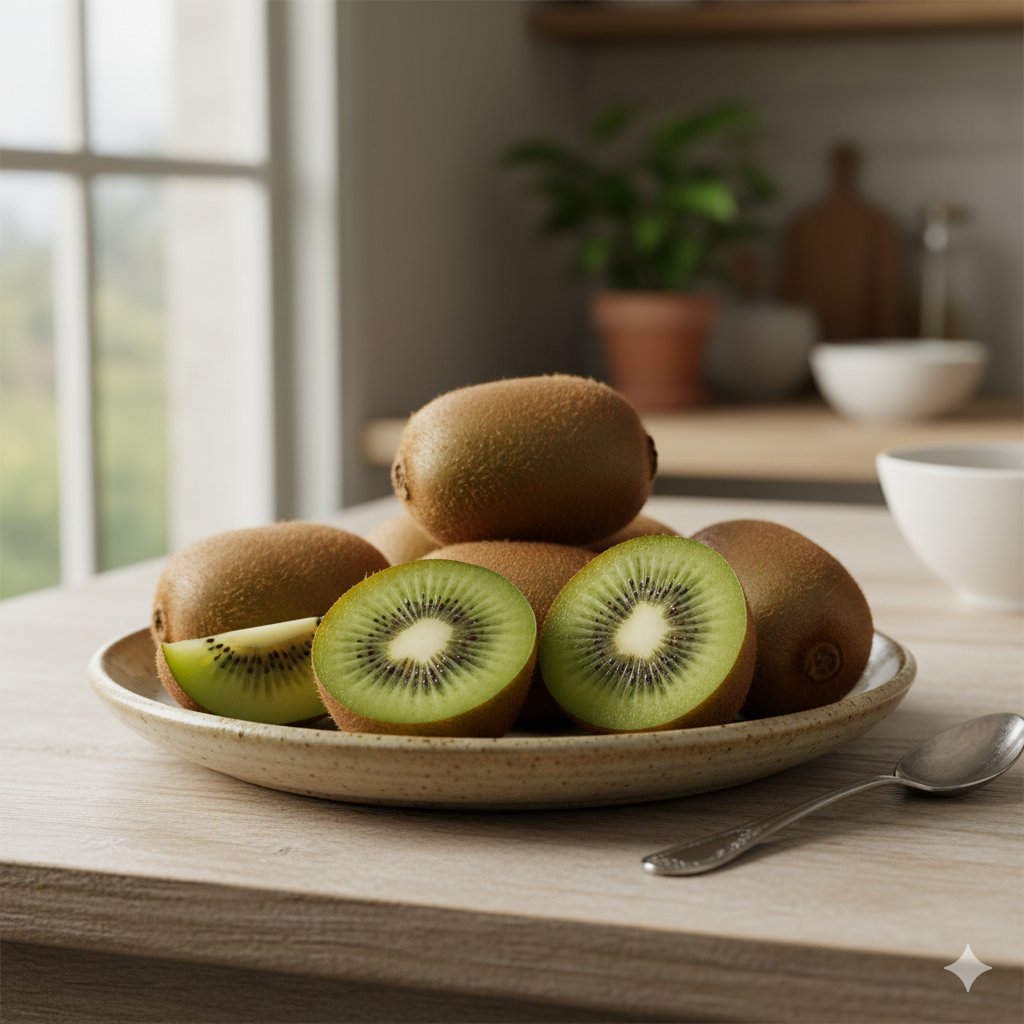
Rounding out the list is the kiwi, providing about 2.1 grams of protein per cup. While that number is modest, kiwi has a “secret ingredient” that makes it a must-have for high-protein diets: actinidin.
Actinidin is a natural enzyme that helps the body break down proteins from other sources (like meat or tofu) more efficiently.
- Vitamin Power:One kiwi contains nearly double the Vitamin C of an orange.
- Strategic Eating:Eating a kiwi after a heavy, high-protein dinner can actually aid your digestion and reduce that “heavy” feeling.
Comparison at a Glance
| Fruit | Protein (per cup) | Key Secondary Benefit |
| Passion Fruit | 5.0g | Incredible Fiber (25g) |
| Guava | 4.2g | Massive Vitamin C levels |
| Avocado | 4.0g (per med fruit) | Heart-healthy fats |
| Jackfruit | 2.8g | Meat-like texture for cooking |
| Kiwi | 2.1g | Digestive enzymes (Actinidin) |
| Blackberries | 2.0g | High Antioxidants |
The Big Picture
It is important to be realistic: fruit should not be your only source of protein. However, nutrition is about the “sum of the parts.” If you swap a zero-protein snack (like a sugary candy or a plain cracker) for one of these fruits, you are micro-loading your day with extra grams of protein that add up over time.
By choosing these specific fruits, you aren’t just getting sugar and water; you’re getting a sophisticated package of muscle-supporting amino acids, gut-healthy fiber, and life-extending vitamins.
This 7-day meal plan focuses on “stacking” protein. By combining these protein-rich fruits with traditional high-protein staples (like Greek yogurt, eggs, lean meats, or legumes), you can maximize your intake without feeling like you are eating the same three foods every day.
The 7-Day "Protein-Plus" Fruit Plan
Day 1: The Avocado Kickstart
- Breakfast: Avocado toast on sprouted grain bread (3g protein/slice) topped with two poached eggs and a sprinkle of hemp seeds.
- Lunch:Grilled chicken breast over a bed of spinach, topped with sliced avocado and a lemon-tahini dressing.
- Dinner:Baked salmon with a side of quinoa and roasted asparagus.
- Fruit Highlight:Avocado (4g protein).
Day 2: The Blackberry Antioxidant Boost
- Breakfast: Overnight oats made with soy milk or protein-fortified milk, topped with 1 cup of blackberries and walnuts.
- Lunch:Turkey and Swiss cheese wrap with plenty of leafy greens and mustard.
- Dinner:Lean beef or tofu stir-fry with broccoli, snap peas, and brown rice.
- Fruit Highlight:Blackberries (2g protein).
Day 3: The Kiwi Digestion Day
- Breakfast:Greek yogurt bowl (low-fat, plain) topped with 2 sliced kiwis and a tablespoon of chia seeds.
- Lunch:Lentil soup served with a side of whole-wheat crackers.
- Dinner:Grilled pork tenderloin or seared tempeh. Eat a kiwi for dessert to utilize the actinidin enzymes for better protein digestion.
- Fruit Highlight:Kiwi (2.1g protein).
Day 4: The Savory Jackfruit Swap
- Breakfast:Scrambled eggs (or tofu scramble) with nutritional yeast, black beans, and salsa.
- Lunch:Tuna salad served in lettuce cups with a side of almonds.
- Dinner:BBQ Jackfruit “Pulled Pork” sandwiches on high-protein whole-grain buns, served with a vinegar-based coleslaw.
- Fruit Highlight:Jackfruit (2.8g protein).
Day 5: The Guava Tropical Punch
- Breakfast:A “Super-Green” smoothie: Blend 1 cup of guava (deseeded if preferred), a scoop of whey or pea protein, spinach, and almond butter.
- Lunch:Quinoa and chickpea Mediterranean salad with feta cheese.
- Dinner:Roasted turkey breast with mashed sweet potatoes and green beans.
- Fruit Highlight:Guava (4.2g protein).
Day 6: The Passion Fruit Power Bowl
- Breakfast:Cottage cheese bowl (high protein) topped with the pulp of 2 passion fruits and a drizzle of honey.
- Lunch:Grilled shrimp skewers with a side of wild rice and sautéed zucchini.
- Dinner:White fish (like cod or tilapia) baked with lemon and herbs, served with a side of pinto beans.
- Fruit Highlight:Passion Fruit (approx. 3-5g protein depending on size).
Day 7: The Fruit-Fusion Finale
- Breakfast:Protein pancakes topped with a mash of blackberries and sliced kiwi.
- Lunch:Roast beef or seitan slices with a large garden salad and avocado
- Dinner:Lemon-herb chicken thighs with a side of couscous and a small bowl of sliced guava for dessert.
- Fruit Highlight:Mixed (Blackberries, Kiwi, Avocado, Guava).
3 Tips to Make This Work
- Don’t Fear the Seeds:In fruits like passion fruit and guava, the seeds and the area around them hold a significant portion of the protein and fiber. If you can, eat them whole!
- The “Topper” Rule:Instead of eating fruit as a standalone snack, use it as a “topper” for high-protein bases like cottage cheese, Greek yogurt, or protein porridges. This creates a “complete” amino acid profile.
Watch the Ripeness: For jackfruit, ensure you are buying “young green jackfruit” for savory cooking, as it has the best texture. For the others, the riper they are, the higher the sugar content, but the protein remains stable.